Our Blog: December 3, 2025
- 877.684.1613
- Schedule a Tour
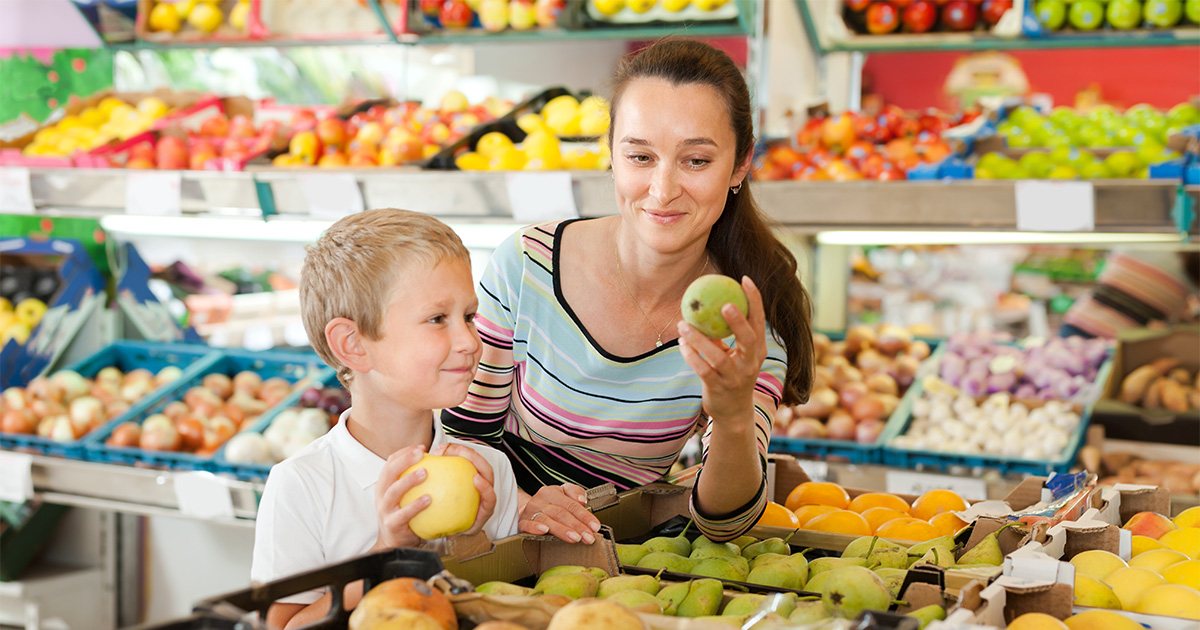
Learning happens in the smallest, most beautiful moments of discovery. During this season in our classrooms, children are exploring the Learn as We Grow concept of Compare & Contrast. It’s all about discovering what’s the same and what’s different. This basic skill is a big idea that invites them to notice how things are alike and distinct.
At first, it may sound simple. But when children practice comparing and contrasting things, they’re doing some pretty sophisticated thinking! They are observing, describing, sorting, classifying, and making sense of the world around them. These skills support language, math, and problem-solving for years to come.
Why This Concept Matters
Children are natural observers. Comparing and contrasting helps them make sense of what they see. It’s how they organize information and discover patterns.
Recent research backs this up. The Erickson Institute’s Early Math Collaborative notes that when children notice “same and different,” they are developing early math reasoning and problem-solving skills (Hynes-Berry, 2022). In simple terms, when children compare and contrast, they’re learning to look closer. This habit of curiosity becomes the foundation of lifelong learning.
How We Bring it to Life in the Classroom
In our Learn as We Grow approach, each concept builds upon the last.
We began during the back to school season with a focus on Community—helping children feel connected and confident. Then came Change, as students explored how the world transforms with the onset of cooler weather and changing landscapes. Now, with Compare & Contrast, our teachers are inviting children to observe their surroundings closely and make meaning from what they notice.
Through activities like sorting nature treasures, exploring textures, or comparing storybook characters, children are encouraged to slow down and notice. Those simple “What do you see?” moments become powerful opportunities to build curiosity and reasoning skills.
How Families Can Join the Fun
At home, you can easily turn everyday routines into moments of discovery. Try these playful prompts:
- Snack time: “Your apple is red, mine is green. How are they the same?”
- Laundry: “Let’s match up the socks! Which ones belong together?”
- Outside play: “These two flowers are both yellow, but one feels smooth and one is bumpy.”
- Story time: “How is this character like you? How are they different?”
The Big Takeaway
When children learn how to compare and contrast, they’re not just identifying differences; they’re learning how to think. They are discovering patterns, developing vocabulary, and building confidence as problem-solvers. So, the next time your child says, “These two things are the same, but this one’s different,” smile and lean in. That’s curiosity at work. They are learning as they grow!
References
Hynes-Berry, M. (2022). Noticing Same and Different: The Concept of Comparison with Infants and Toddlers. Erickson Institute Early Math Collaborative.